Hamnet: A Stunning, Creative New Twist On Shakespeare, Mostly Without Him
Focus Features
Hamnet, directed by Chloe Zhao, and written by Zhao and book author Maggie O’Farrell, is a striking and devastating film about William Shakespeare’s muse for his legendary play, Hamlet.
Taking the focus off Will (Paul Mescal), this story centers more on his wife Agnes, (Jessie Buckley) and the family they create. With strong themes of motherhood and the mother as the rock of the family unit, the story, slowly, but beautifully, winds its way to a breathtaking finale.
the journey begins
Agnes is a nature dwelling free spirit, uninterested in the role that her family and society want to put her in. Haunted by her mother’s early death in child birth, she commits to the practices that her mother taught her in nature, from herbalism and incantations, to the spiritual realm.
Will works as a tutor for Agnes’s brothers, as a way to help his family pay for his abusive father, John’s, (David Wilmot) debts. He tries to find a trade, other than writing, but, ever the artist, finds it impossible to stick to anything else.
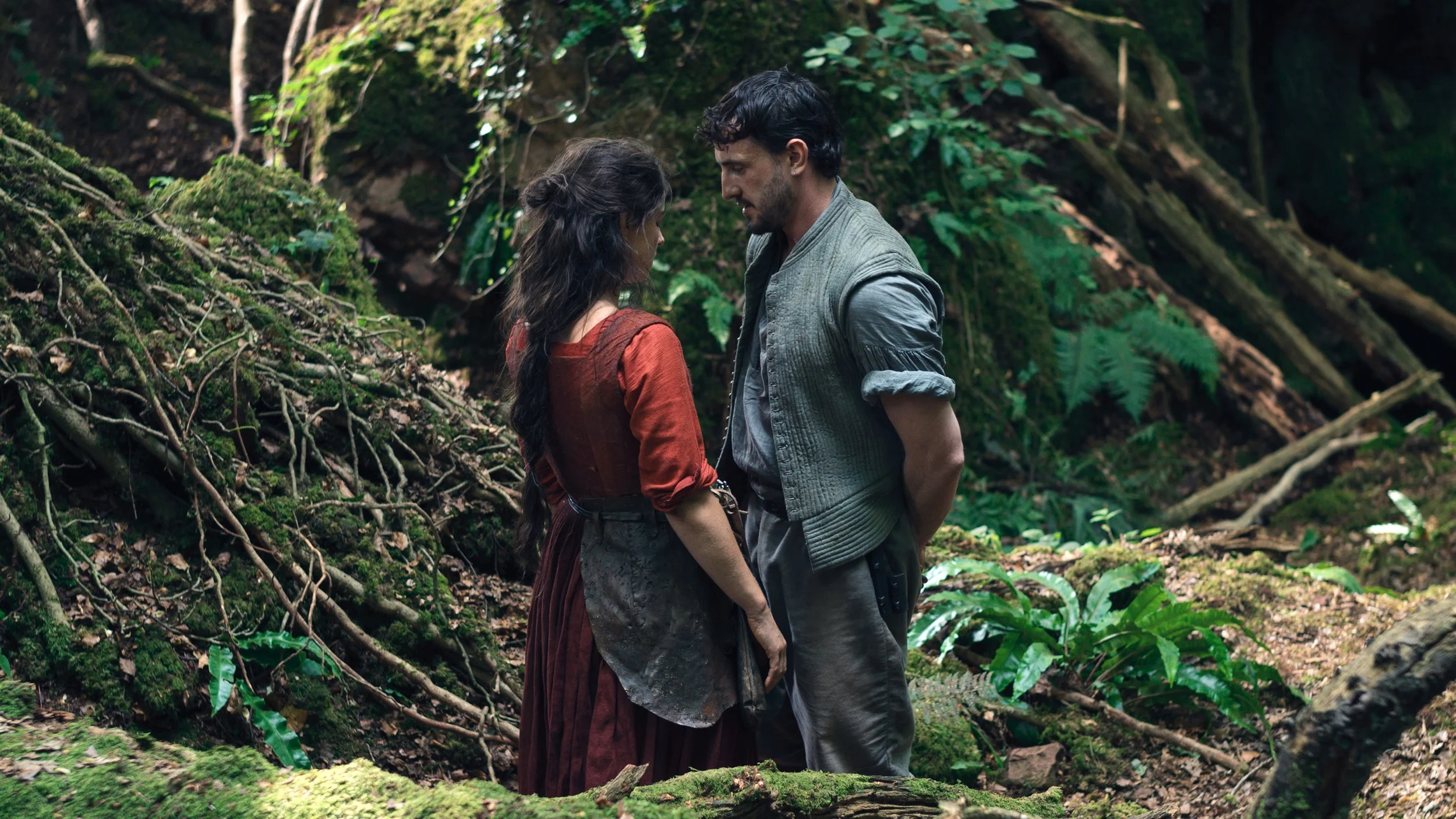
He slowly woos Agnes over many of their meetings together in the forest, and, much to the dismay of their parents, marries her.
Though beautifully romantic at first, as time goes on, Will finds it more challenging to live in the country, and his mental health declines not being a part of the London play scene.
Rather self-centeredly, Will gets lost in his own head and needs, making Agnes, and his very young family second place. Agnes lets Will go, out of love, but is then forced to take over a family, that she didn’t create herself.
this woman’s work
Focus Features
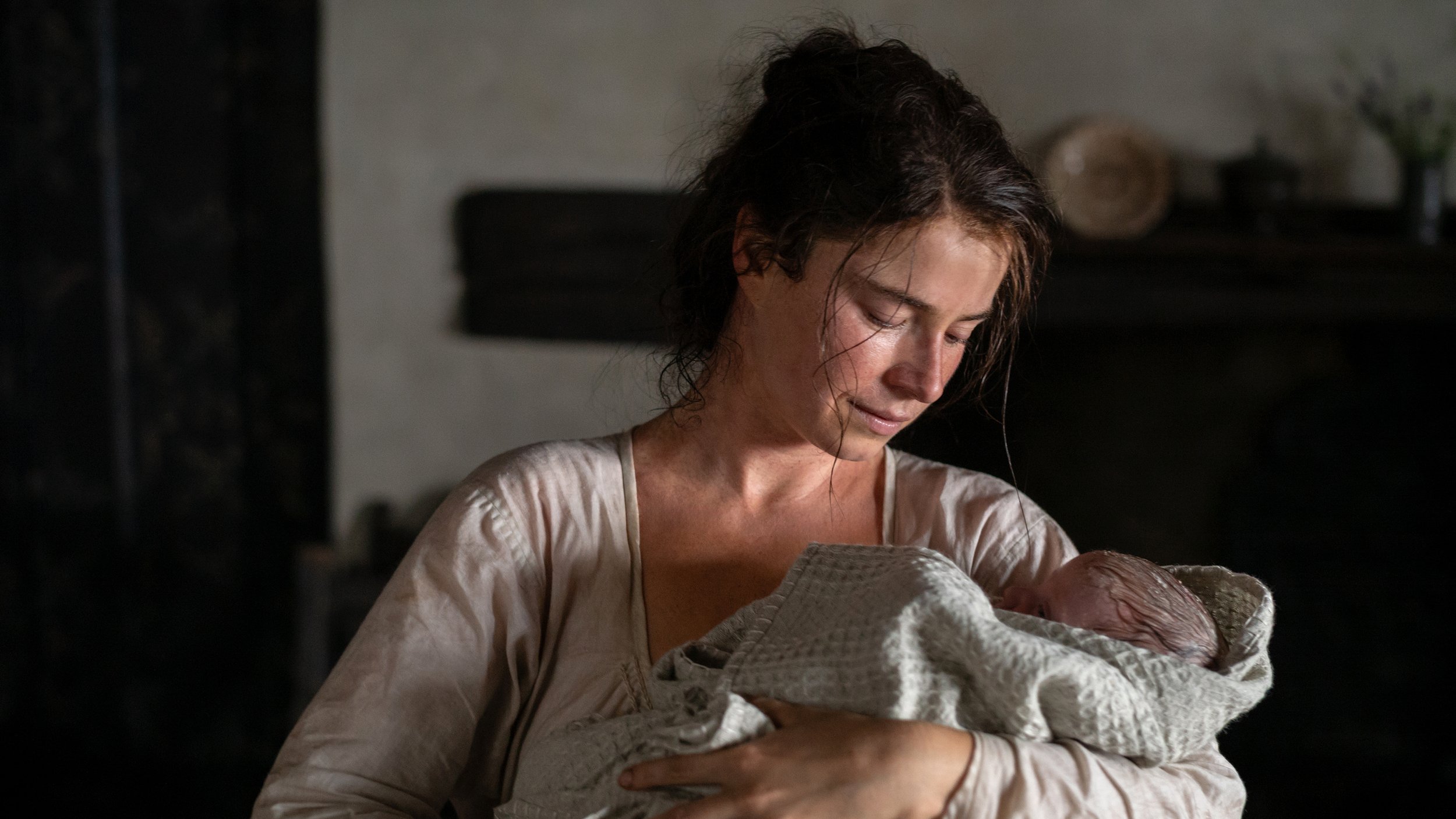
As the years pass without Will, Agnes sets herself a new norm for her life, while giving birth, tending to all of the work that has to be done in and around the house, and raising her children Susanna, (Bodhi Rae Breathnach), Hamnet (Jacobi Jupe) and Judith (Olivia Lynes).
Hearing very little from Will, and only seeing him when he manages to come home to visit them for a couple of days, Agnes is consumed with the children, caring for them, teaching them, and passing on her mother’s knowledge to them.
As the years pass, the children grow older not knowing their father very much, which seems to hurt their son Hamnet the most. Will uses bravery and “being the man of the house” to try to assuage Hamnet’s feelings of loss when he leaves, but as he grows, so does Hamnet’s frustration.
When the Black Death arrives in London, then begins its spread into the surrounding villages, Judith contracts it and gets very sick. As her twin, Hamnet gets very worried and takes it upon himself to be “brave” and make her better.
Will Agnes and Hamnet be able to save Judith before it spreads to them or kills her? Can the marriage withstand all of the challenges of Will’s selfishness and absence?
in all honesty…
Focus Features
Hamnet is one of the most beautiful, brilliant and moving films I have seen in decades. It is everything that the Oscar winning films of better days were.
Jesse Buckley absolutely shone in this film. As the 2026 Academy Award winner for this film, she deserved every bit of it. She was absolutely everything to this character. She dove headfirst into it and didn’t care about ripping herself apart for it. She lost herself and her mind, just as Agnes, and probably any other mother would do in her situation.
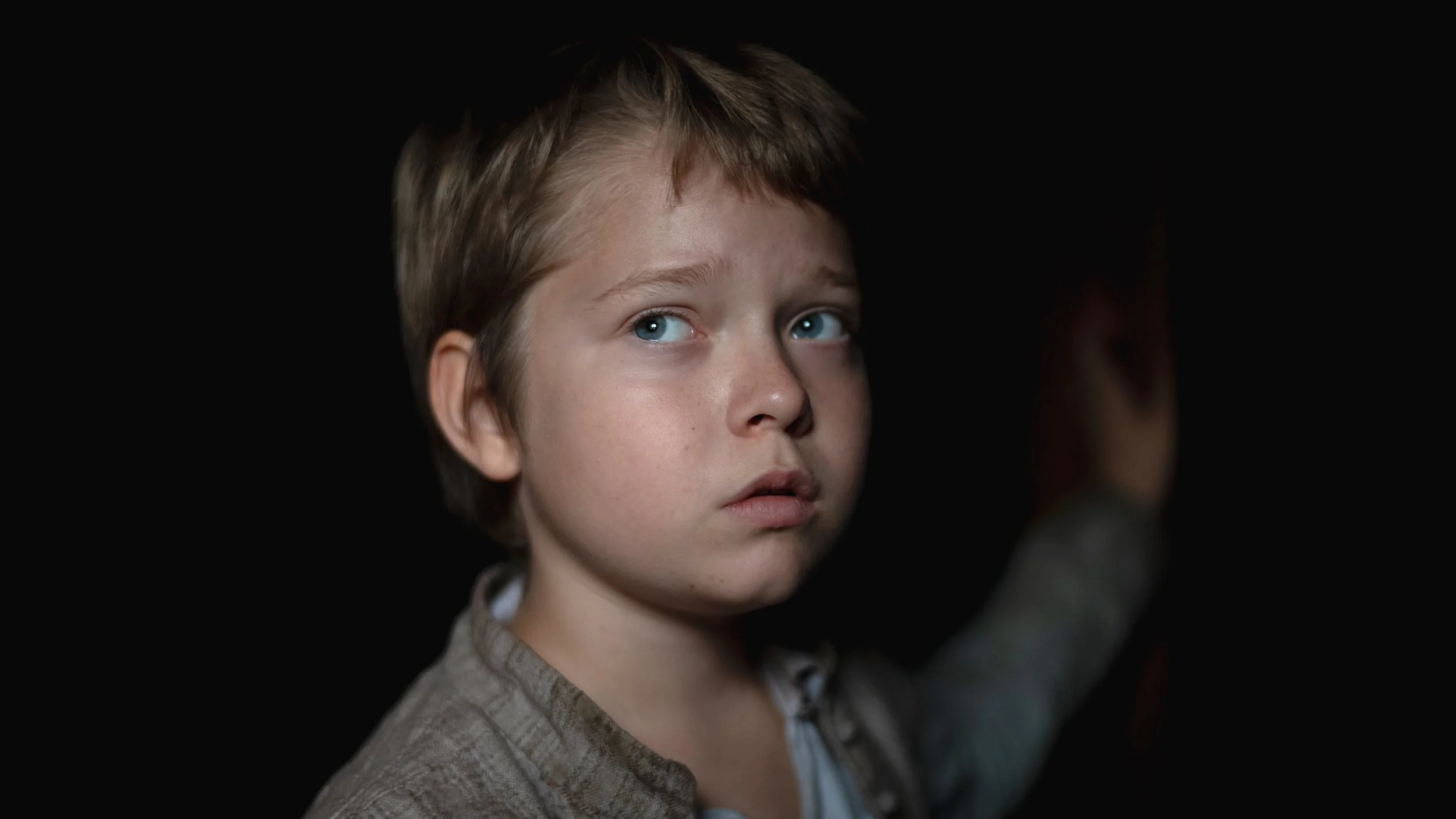
Big shout out to the young Jacobi Jupe, who played the titular character with so much sweetness and earnestness. Such a darling little hero so wronged by his frivolous father.
The cinematography by Łukasz Żal, was both fresh, and strikingly vivid, putting the audience into nature with the actors, where one could almost smell and feel the breeze, rain and trees. From the colors of the makeup on the players’ faces at the Globe, to the lingering mist in an empty loft, no scene was left undetailed.
Chloe Zhao was an incredible fit for this film. Her ability to bring the depth and nuance of emotion, in Agnes’s struggle, with the array of sound, color, and movement, while using Agnes as a universal symbol for the struggles of motherhood, intricately woven into the storyline, shows her sheer mastery.
Her ability to frame Agnes, as a spirited feminist character, who finds herself trapped by the ignorance of her youth and ideals, is a topic that I think many women can identify with, and isn’t talked about enough openly.
Focus Features
Youthful idealism of love, especially with lost men, is something that many young women fall for, and they don’t get a chance to understand the realities of the person they married, before they are too far down in the trap to escape.
The overwhelming demands of motherhood is pushed upon them, even in present day, while these men just take off on their whimsy, and forget that they even have children, because there is someone else taking care of them. They send money, or not, and the mother is forced to upend her life because no one else will.
As such, much of what these mothers feel and experience, they do alone. It is bittersweet. It is laced with some amazing rewards, but also entwined with the heaviest sorrows and the deepest struggles.
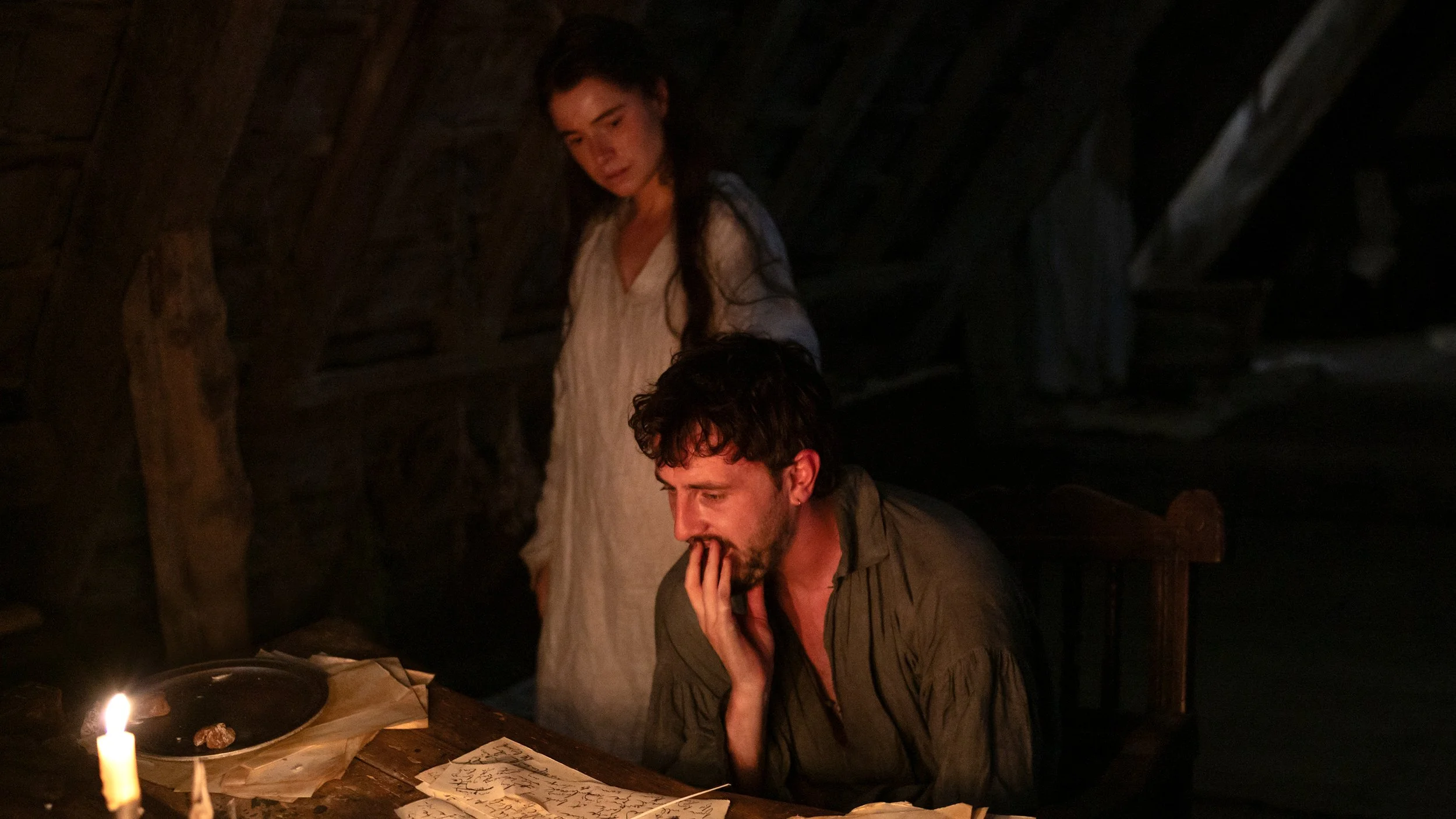
Even looking at the picture above, one can see that Will is front and center in the light, and Agnes is standing upright, just behind him, like a pillar, or guardian angel, in the shadows. Will himself is too focused on what’s in front of him to notice.
It’s these small artistic choices, that become powerful reinforcements of the main theme throughout the film.
The ending, though highly expressive, did get to the point where it could have crossed the line of melodramatic, if you don’t allow yourself to get moved by the emotionality presented. That could have been presented more subtly, but it also bestowed a great honor upon an admirable character.
Overall though, Hamnet is a gorgeous, emotional journey that I highly recommend taking.